
Apple launches feel like small revolutions and incremental evolutions at the same time. On paper the jump from one numbered iPhone to the next can look modest. In real use a handful of changes can shift the experience in surprisingly meaningful ways. This deep dive unpacks what Apple changed with the iPhone 16 compared with the iPhone 15 so you can decide whether an upgrade makes sense or whether saving money and sticking with the iPhone 15 is the smarter move.
Below I focus on the concrete differences that affect daily use including design, display, performance, camera, battery, software, connectivity, and value for money.
Design and build
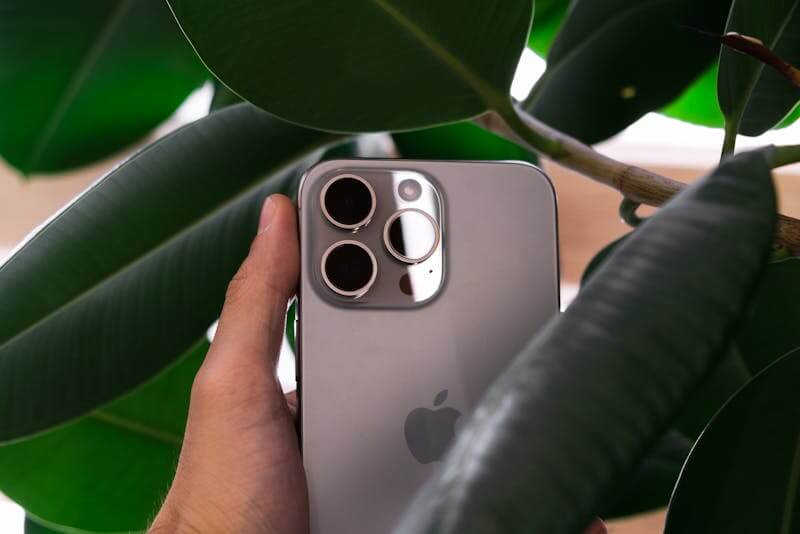
At a glance both phones will feel familiar. Apple continued the flat edge look that has dominated iPhone design for several years. The iPhone 16 keeps an aluminum frame and a color infused glass back for the base and Plus models while the Pro tier has its own materials and finishes. The base iPhone 16 is slightly lighter than its predecessor and carries the same general footprint but with very subtle changes to thickness and weight that make it feel a little more comfortable in hand. Apple lists the iPhone 16 height width and depth along with weight specs on its official technical pages.
One practical design change worth noting is the arrival of a new physical camera control button on the iPhone 16 standard models. This small addition is aimed at people who shoot a lot of photos or videos. It gives instant access to camera functions without digging through the home screen or Control Center. A few reviewers noted that the button is a thoughtful physical shortcut that speeds up common camera tasks.
Display and viewing experience
Both the iPhone 15 and iPhone 16 use Super Retina XDR OLED panels for the base and Plus models. The native resolutions and pixel densities are comparable and for everyday browsing video watching and reading you should not expect a dramatic difference in raw sharpness. Apple publishes side by side comparisons on its site if you want the exact pixel counts and dimensions.
Where the two differ is mainly in display features that are reserved for the Pro line, and which trickle down slowly across generations. The standard iPhone 16 does not gain the Pro motion variable refresh that the Pro models use for smoother scrolling, but Apple did refine color tuning peak brightness and the always on display behavior across the lineup. In short the base iPhone 16 screen is a refinement not a reinvention. For people who prioritize the absolute smoothest UI and the highest sustained brightness the Pro models remain the better choice.
Performance and the new system on chip
One of the clearest upgrades in the iPhone 16 lineup is the new A18 system on chip compared with the A16 that powered many iPhone 15 models. Benchmarks and raw spec breakdowns show meaningful gains in CPU and GPU performance along with higher memory bandwidth. That translates into faster app load times improved multitasking and headroom for demanding games and computational photography tasks. Some benchmark suites report double digit percentage improvements and better graphics throughput which also helps on device machine learning and new AI features.
Crucially the A18 was designed with Apple Intelligence in mind. Apple Intelligence is a set of on device and cloud assisted machine learning features that can include smarter Siri responses generative tasks and enhanced photo curation. The presence of a newer chip means the iPhone 16 will be more future proof for those AI features as they roll out over the coming months. If you keep phones for many years the extra compute headroom is valuable.
Camera systems and computational photography
On paper the primary camera specs look familiar. Both phones use a 48 megapixel main sensor and a 12 megapixel ultrawide in their base configurations. However Apple added software driven capabilities to the iPhone 16 that were previously reserved for higher tier models. The ultrawide gained autofocus which improves macro and close up shots and the new Camera Control button adds quick physical access to photo modes. In practice the iPhone 16 takes marginally better photos in tricky lighting and makes creative features easier to access. Several hands-on reviews flagged the smarter autofocus on the ultrawide as a meaningful usability improvement.
For mobile photographers the takeaway is this the core hardware is similar but the iPhone 16 layers on computational updates that push image quality forward across various scenarios. If you rely on optical zoom the gap remains because the base models do not add a new telephoto lens. If you prioritize macro close focus and smarter AI assisted photo editing the iPhone 16 has a real advantage.
Battery life and charging
Battery life is one area where many buyers feel tangible differences daily. Apple published battery measurements for the iPhone 16 family and third party testing and accessory vendors have corroborated improvements. The iPhone 16 uses a slightly larger battery than the iPhone 15 in many configurations and the A18 chip improves power efficiency. The net result is longer real world screen on time and improved video playback endurance on a single charge. Some variants including the Plus models show the largest gains due to their physically larger battery cells. Independent write ups and accessory makers have collated figures for streaming and talk time to help buyers compare.
Both phones use USB C for wired charging which Apple standardized across the lineup with the iPhone 15 series. The charging speed depends on the adapter you use and apples specs for fast wired charging remain effectively the same. Wireless and MagSafe charging behavior is unchanged between these two generations.
Software extras and Apple Intelligence
Software is where Apple often extracts the most perceived value. The iPhone 16 ships with iOS 18 and tight integration with Apple Intelligence goals. Practically this means that features relying on on device inferencing will run faster or be available on the newer phone sooner. That includes advanced photo analysis improved voice assistant capabilities and certain generative tasks. However availability can be region dependent and Apple has constrained some features due to regulatory reasons in certain territories. When you read marketing about AI remember that many features are staged in phases and rollouts can vary by country.
If you already have a recent iPhone, the software experience is very similar day to day. iOS 18 brings interface refinements and new apps and both phones will support the OS. The difference is that the iPhone 16 will have more headroom for future feature additions that rely on advanced on device processing.
Connectivity and sensors
One of the technical jumps worth flagging is wireless connectivity. The iPhone 16 introduced Wi Fi 7 support on some models compared with Wi Fi 6 on the standard iPhone 15. That is a forward looking change which matters mostly to people who use ultra fast local networks for large file transfers or specific pro workflows. For everyday web browsing streaming and social media Wi Fi 6 remains more than adequate in most homes, but Wi Fi 7 is a capability that can pay dividends in certain professional or high bandwidth scenarios.
Cellular performance 5G support and satellite safety features remain consistent across the two generations. You should not expect a difference in basic call quality or coverage purely because you upgraded between these two models.
Price and model lineup
Apple positioned the iPhone 16 at a price point just above the iPhone 15 when it launched. The typical pattern includes a modest price cut for the earlier model once the new phone is available which makes the iPhone 15 an attractive value proposition. Retailers and carriers also introduced seasonal promotions and trade in credits which further close the gap. If you want the newest features and can afford the premium the iPhone 16 is the sensible choice. If you want value and a phone that still performs strongly the iPhone 15 delivers most of the experience for less money. Several outlets summarized the relative value and recommended the iPhone 16 for future proofing but still endorsed the iPhone 15 as a solid buy for price conscious shoppers.
Who should upgrade and who should wait
Upgrade from iPhone 15 to iPhone 16 if
• You want a faster chip for gaming or advanced AI tasks.
• You value the new camera control button and autofocus ultrawide capabilities.
• You prefer longer battery life and Wi Fi 7 connectivity.
• You plan to keep the device for many years and want headroom for Apple Intelligence.
Keep your iPhone 15 if
• You are content with current performance and do not need the extra compute.
• You prefer to save money and use the price drop on the older model.
• You do not use features that require the latest chipset such as some advanced on device AI workflows.
Real world examples
A photographer who frequently shoots close ups and macro subjects will notice the ultrawide autofocus and quicker camera access on the iPhone 16. A mobile game player or content creator who uses editing apps will benefit from the A18 performance. A commuter who values reliability and wants to avoid spending more may find the iPhone 15 still performs excellently for daily life and media consumption.
| Feature | iPhone 16 | iPhone 15 |
|---|---|---|
| Design | Slightly refined design with Camera Control button | Standard design without Camera Control button |
| Chipset | A18 chip | A16 Bionic chip |
| Performance | Faster CPU GPU and better AI processing | Strong performance but less AI optimized |
| Display | Super Retina XDR same size brighter tuning | Super Retina XDR similar brightness |
| Camera (Main) | 48 MP main improved computational photography | 48 MP main with standard features |
| Ultra Wide Camera | 12 MP with autofocus | 12 MP without autofocus |
| Camera Features | Camera Control button for quick access | Regular on screen camera controls |
| Battery Life | Longer battery endurance due to larger battery and efficient chip | Good battery life but slightly shorter |
| Charging | USB C MagSafe Qi2 | USB C MagSafe |
| Connectivity | Wi Fi 7 on supported models | Wi Fi 6 |
| Software | iOS 18 optimized for Apple Intelligence | iOS 17 or upgraded to iOS 18 but fewer AI features |
| Storage Options | Similar tiers starting from 128 GB | Similar tiers starting from 128 GB |
| Build Materials | Aluminum frame color infused glass | Aluminum frame color infused glass |
| Price at Launch | Higher than iPhone 15 | Reduced after new launch |
| Best For | Power users AI tasks gamers photographers | Everyday users value buyers |
Final verdict
The iPhone 16 is not a radical reinvention of the iPhone formula. Instead it is a careful set of upgrades that make the phone faster smarter and in small ways more convenient to use. The new A18 chip provides real performance gains and positions the phone for Apple Intelligence features while the camera tweaks and physical control enhance practicality. For many people the iPhone 15 remains an excellent value especially when on sale. If you want better longevity faster AI and a few quality of life improvements the iPhone 16 is worth the extra cost.


