
Have you ever stopped to think about how often you reach for your phone or tap your card instead of handing over cash?
Not long ago, cash ruled daily transactions. Today, digital payment methods dominate the global economy. From online shopping and food delivery to international business deals, digital transactions power modern commerce. Consumers expect speed, convenience, and security. Businesses demand efficiency, scalability, and global reach. The rise of fintech innovation has reshaped how money moves across borders and between individuals.
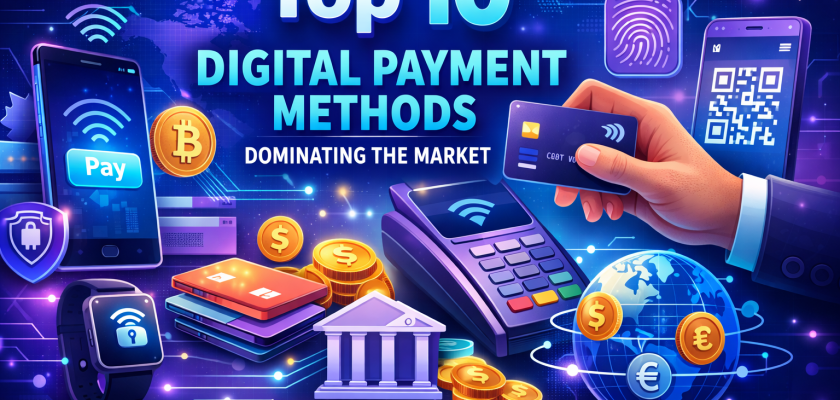
In this in-depth guide, we explore the top 10 digital payment methods dominating the market today. Whether you are a consumer, business owner, freelancer, or eCommerce entrepreneur, understanding these online payment solutions can help you make smarter financial decisions.
1. Credit and Debit Cards
Credit and debit cards remain the backbone of digital payments worldwide. Even as new technologies emerge, card payments continue to dominate both online and offline transactions.
Card networks such as Visa, Mastercard, and American Express process billions of digital transactions each year. Consumers value the familiarity and widespread acceptance of cards. Businesses appreciate reliable infrastructure and fraud protection systems.
Why cards still dominate:
- Global acceptance
- Strong fraud detection systems
- Consumer protection and chargeback options
- Integration with eCommerce payment gateways
With contactless payment technology and tokenization improving security, card payments continue to evolve rather than decline.
2. Mobile Wallets
Mobile wallets have transformed smartphones into digital wallets. Services like Apple Pay, Google Pay, PhonePe and Samsung Pay allow users to store card information securely and pay with a simple tap or biometric authentication.
Mobile payment adoption has surged due to convenience and enhanced security features like encryption and biometric verification. Consumers can pay in-store, online, or even transfer money peer to peer.
Key benefits of mobile wallets:
- Faster checkout experience
- Enhanced security through tokenization
- Seamless integration with apps and websites
- Reduced need for physical cards
In many markets, especially in Asia, mobile wallet usage exceeds traditional card usage. Digital wallet transactions are expected to continue growing as smartphone penetration increases.
3. Bank Transfers and Online Banking Payments
Bank transfers remain one of the most trusted digital payment methods, particularly for large transactions. Online banking systems and real-time payment networks have modernized traditional bank transfers.
Consumers can now make instant transfers using online banking platforms. Businesses rely on bank-to-bank transfers for B2B payments, payroll processing, and international remittances.
Real-time payment systems such as Faster Payments in the UK and SEPA Instant in Europe have accelerated this shift toward instant digital bank transfers.
Why they remain relevant:
- High trust factor
- Suitable for high-value transactions
- Lower processing fees compared to cards
- Secure authentication methods
Bank transfers continue to dominate in regions where credit card penetration is lower.
4. Peer-to-Peer Payment Apps
Peer-to-peer payment platforms have changed how individuals send and receive money. Services like PayPal, Venmo, Cash App, and Zelle allow users to transfer funds instantly using a smartphone.
These digital payment platforms gained popularity due to their simplicity. Splitting bills, paying rent, or sending money to friends now takes seconds.
Advantages of P2P payment apps:
- Instant money transfers
- User-friendly interface
- Social payment features
- Integration with online marketplaces
- Many of these platforms now offer additional financial services such as debit cards, cryptocurrency trading, and small business solutions.
5. Buy Now Pay Later Services
Buy Now Pay Later or BNPL has rapidly become one of the fastest-growing digital payment solutions in eCommerce. Companies like Klarna, Afterpay, and Affirm allow customers to split purchases into installments.
This payment method appeals to younger consumers who prefer flexible financing options without traditional credit cards.
Why BNPL is booming:
- Interest-free installment plans
- Increased purchasing power
- Higher conversion rates for online stores
- Transparent repayment structures
For businesses, BNPL can significantly increase average order value and reduce cart abandonment rates.
6. Cryptocurrency Payments
Cryptocurrency payments are gaining traction, especially among tech-savvy consumers and global businesses. Bitcoin, Ethereum, and stablecoins offer decentralized payment alternatives.
Although crypto adoption is still developing compared to traditional digital payments, it provides unique advantages such as borderless transactions and lower cross-border fees.
Benefits of crypto payments:
- Global accessibility
- Lower transaction costs for international transfers
- Blockchain transparency
- Reduced reliance on banks
Volatility remains a concern, but stablecoins and crypto payment processors are helping reduce risk for merchants.
7. Contactless Payments
Contactless payment technology has become mainstream, especially after the global pandemic accelerated demand for touch-free transactions.
Consumers can tap their card or smartphone to complete transactions quickly and securely. Near Field Communication technology enables seamless payment experiences.
Why contactless payments dominate:
- Speed and convenience
- Reduced physical contact
- Enhanced checkout efficiency
- Widespread retailer support
Contactless payment limits have increased in many countries, further driving adoption.
8. QR Code Payments
QR code payments are particularly dominant in markets like China and India. Consumers scan a QR code using their smartphone to complete a transaction instantly.
This method eliminates the need for expensive POS hardware, making it attractive for small businesses.
Advantages:
- Low infrastructure costs
- Easy setup for merchants
- Popular in mobile-first economies
- Supports microtransactions
Digital payment apps integrated with QR codes have revolutionized street vendors, local shops, and informal sectors.
9. Digital Banking and Neobank Payments
Digital banks and neobanks have reshaped financial services. Platforms like Revolut, Chime, and N26 offer fully digital banking experiences.
These institutions provide instant account setup, low international transfer fees, and integrated digital payment services.
Why digital banks are growing:
- Lower fees
- Intuitive mobile apps
- Faster international transfers
- Advanced budgeting tools
Consumers increasingly trust digital-only banks for everyday payments and savings management.
10. Biometric Payment Systems
Biometric payment technology uses fingerprints, facial recognition, or iris scanning to authorize transactions.
This innovative digital payment method enhances security while reducing friction at checkout.
Key advantages:
- High-level authentication
- Reduced fraud risk
- Faster verification process
- Convenient user experience
As biometric technology improves, more retailers and financial institutions are investing in this futuristic payment solution.
Why Digital Payment Methods Continue to Dominate
Several factors explain why digital payment methods are overtaking traditional cash transactions:
1. Convenience
Consumers value speed and simplicity. Digital payments eliminate the need to carry cash or visit physical banks.
2. Security
Advanced encryption, tokenization, and biometric authentication enhance online payment security.
3. Global eCommerce Growth
Online shopping continues to expand globally. Digital payment gateways enable businesses to serve international customers effortlessly.
4. Financial Inclusion
Mobile payment systems help bring financial services to unbanked populations in developing countries.
5. Real-Time Processing
Instant payment systems allow faster settlements, improving cash flow for businesses.
The Future of Digital Payments
The digital payment landscape continues to evolve. Emerging trends include:
- Central bank digital currencies
- AI-powered fraud detection
- Embedded finance within apps
- Cross-border real-time payment networks
- Open banking integration
As fintech innovation accelerates, digital transactions will become even more seamless and secure. Businesses that adapt to multiple payment options will stay competitive in the digital economy.
Final Thoughts
Digital payment methods are no longer just convenient alternatives. They are essential pillars of modern commerce. From credit card payments and mobile wallets to cryptocurrency and biometric authentication, the financial ecosystem is undergoing a profound transformation.
The question is not whether digital payments will dominate. They already do. The real question is which payment solutions will lead the next wave of innovation.
If you are running a business, expanding globally, or simply looking for smarter ways to manage your money, understanding these top digital payment methods can help you stay ahead in a rapidly changing financial world.

